

Quick Answer
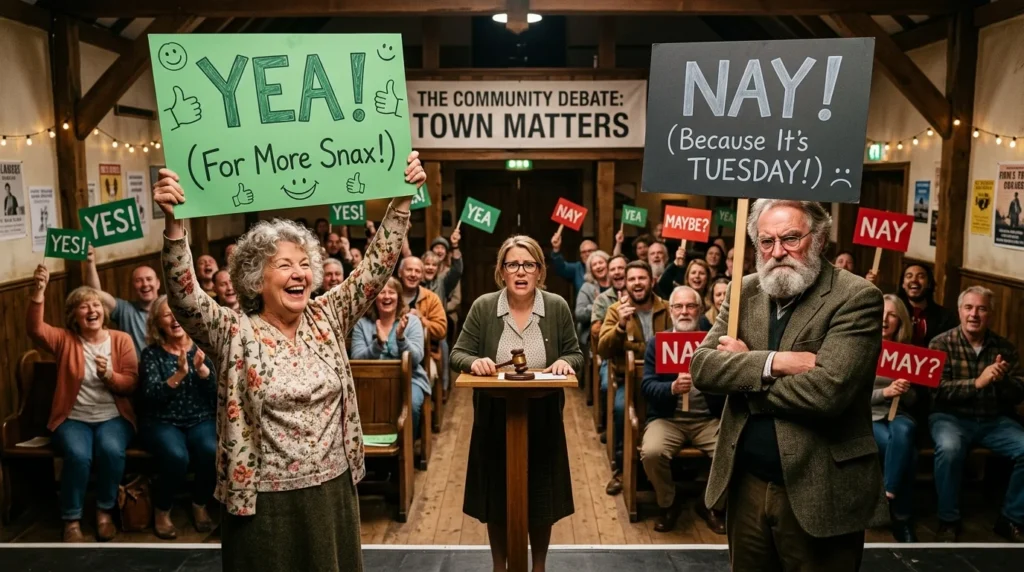
Yea means yes, approval, or agreement.
Nay means no, disapproval, or rejection.
Examples:
- The committee voted yea on the proposal.
- Three members voted nay.
A simple rule is:
- Yea = Yes
- Nay = No
What Does Yea Mean?
Yea is an old or formal word meaning yes, agreement, or approval.
Definition
Yea means:
- Yes
- Approval
- Agreement
- An affirmative vote
Usage Rules
Use yea when:
- Recording votes
- Writing historical or literary texts
- Expressing formal approval
- Using the phrase “yea or nay”
Examples of Yea
- The proposal passed with twenty votes of yea.
- The senator voted yea on the bill.
- Give me a simple yea or nay.
- The council members responded with a unanimous yea.
Key Insight
In modern English, yea is primarily used in formal voting contexts and fixed expressions.
What Does Nay Mean?
Nay is an old or formal word meaning no, refusal, or rejection.
Definition
Nay means:
- No
- Disapproval
- Rejection
- A negative vote
Usage Rules
Use nay when:
- Recording votes against a proposal
- Referring to formal opposition
- Writing historical or literary texts
- Using the phrase “yea or nay”
Examples of Nay
- Five members voted nay.
- The motion failed because too many people voted nay.
- The king answered with a firm nay.
- Give your decision: yea or nay.
Key Insight
Like yea, the word nay is uncommon in everyday conversation and is mostly reserved for formal or traditional settings.
Yea vs Nay: Key Differences
Although these words often appear together, their meanings are opposite.
Quick Differences
- Yea means yes or approval.
- Nay means no or rejection.
- Yea expresses support.
- Nay expresses opposition.
| Feature | Yea | Nay |
|---|---|---|
| Main Meaning | Yes or approval | No or rejection |
| Type of Response | Affirmative | Negative |
| Common Context | Voting and formal approval | Voting and formal opposition |
| Tone | Formal and traditional | Formal and traditional |
| Example | The committee voted yea. | The committee voted nay. |
Real-World Usage Examples
Example 1
Chairperson: All those in favor?
Members: Yea.
🎯 Lesson: Use yea to express approval or support.
Example 2
Chairperson: All those opposed?
Members: Nay.
🎯 Lesson: Use nay to express rejection or disagreement.
Example 3
Friend: Did the proposal pass?
You: Yes, most members voted yea.
🎯 Lesson: Yea often represents an affirmative vote.
Example 4
Friend: Was everyone in agreement?
You: No, several members voted nay.
🎯 Lesson: Nay indicates opposition.
Common Mistakes
Mistake 1: Confusing Yea with Yeah
Incorrect:
- Yeah, the bill passed unanimously.
Correct in formal voting:
- The members voted yea.
Why it happens: Yea and yeah have similar pronunciations, but they are different words.
Mistake 2: Using Nay for Approval
Incorrect:
- The committee voted nay, so the proposal passed.
Correct:
- The committee voted yea, so the proposal passed.
Why it happens: Writers forget that nay means no.
Mistake 3: Using Yea and Nay in Everyday Situations
Incorrect:
- Would you like coffee? Yea.
Natural:
- Would you like coffee? Yes.
Why it happens: People assume old-fashioned forms can replace modern words in all situations.
Memory Tricks
Trick 1
Yea starts with Y, just like Yes.
Think:
Yea = Yes.
Trick 2
Nay starts with N, just like No.
Think:
Nay = No.
Trick 3
Remember this sentence:
Yea means yes, and nay means no.
Expert Insights
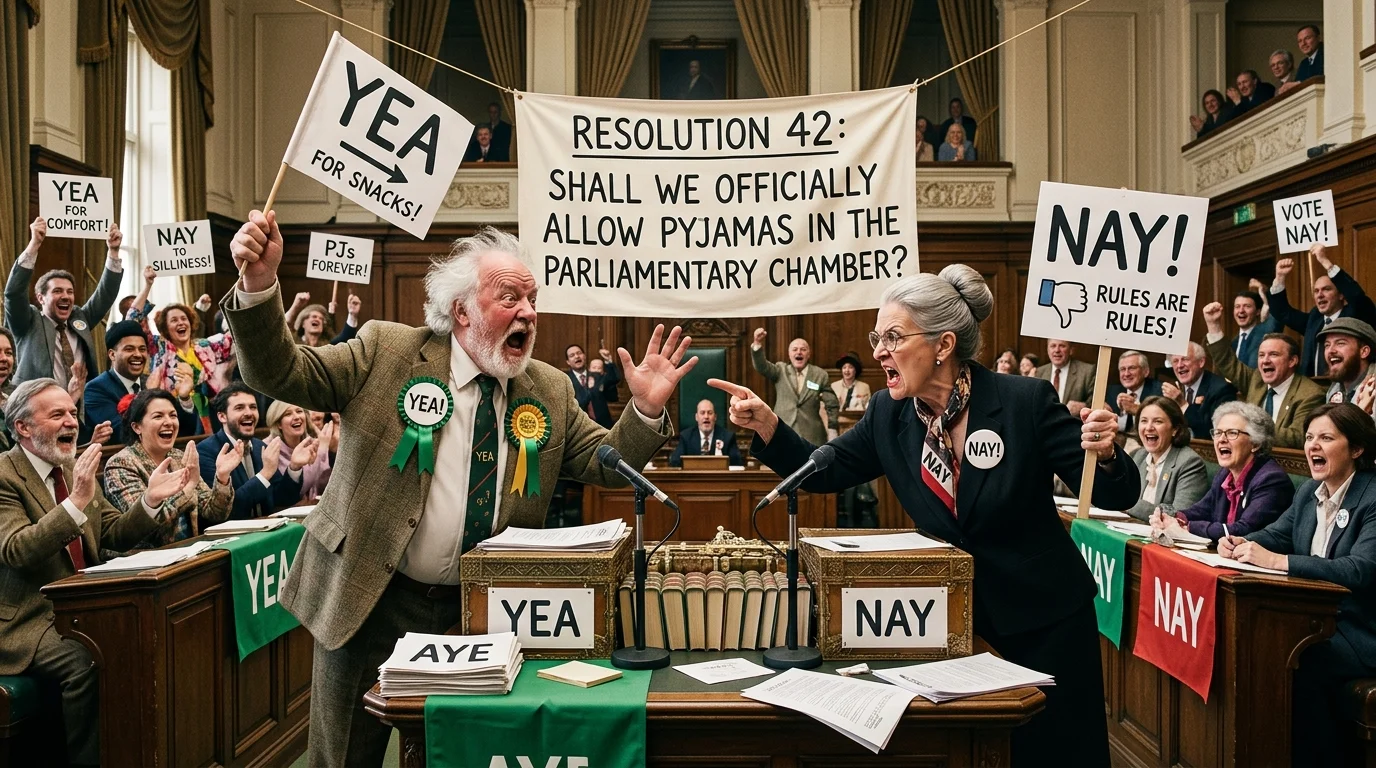
The words yea and nay come from Old English and have been used for centuries to express agreement and disagreement.
Today, they survive mainly in:
- Parliamentary procedures
- Legislative voting
- Historical documents
- Legal proceedings
- The expression “yea or nay”
Modern English generally prefers yes and no in everyday speech, but yea and nay remain important in formal and ceremonial contexts.